

By NEA Quartz
There is a stage in many relationships that feels difficult to name.
Nothing dramatic has happened.
No betrayal. No shouting. No clear conflict.
And yet something feels quieter than before.
The laughter is softer.
The meals are faster.
The touch is more automatic than affectionate.
This is often where a Sacral-chakra imbalance begins—not with crisis, but with the slow fading of warmth.
The Sacral Chakra governs:
When it flows freely, relationships feel alive and expressive.
When it becomes blocked, the relationship may still function… but it loses its glow.
At the beginning, you used to:
Now, conversations feel mostly practical.
The tone is neutral, not warm.
Nothing is wrong—but nothing is especially joyful either.
The sacral chakra begins to dim when pleasure is treated as unnecessary.

You talk every day.
But the topics sound like this:
Communication becomes efficient—but not intimate.
The sacral chakra thrives on:
When all conversations become logistical, the emotional current weakens.

There may still be touch.
But it feels:
There is no tension, but also no spark.
This is not always about intimacy itself.
Often it is about emotional softness disappearing from daily life.
The sacral chakra closes when:
Look at how you spend time together.
Do you still:
Or has everything become predictable?
Routine is not the enemy.
But when routine replaces all forms of shared discovery, the sacral energy starts to dry up.
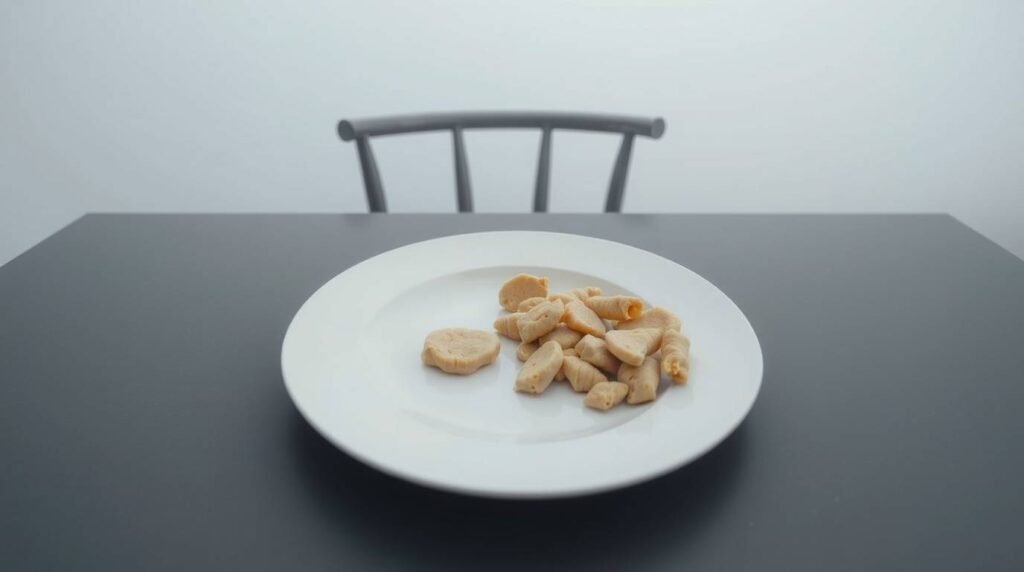
One of the easiest ways to notice sacral imbalance is through food.
When the sacral chakra is healthy, the kitchen tends to include:
When it is blocked, meals often become:
The sacral chakra is deeply connected to sensory pleasure.
When the senses are ignored, the emotional body follows.
Most sacral problems are not caused by one big event.
They usually grow from:
The sacral chakra is sensitive.
It closes when life becomes too rigid, too serious, or too controlled.
You can sense sacral imbalance by asking simple questions:
If most answers feel heavy or practical, the sacral chakra may be asking for attention.
Relationships rarely break because of a single dramatic moment.
More often, they fade through the quiet disappearance of warmth, color, and play.
The sacral chakra does not ask for grand gestures.
It responds to small moments of shared pleasure:
Sometimes, connection returns not through discussion,
but through a sensory moment that reminds two people how it once felt.
And from that moment, warmth can begin again.