

This vibrant and refreshing Jade Noodle Salad with Edamame and Citrus–Miso Dressing is a delightful fusion of flavors and textures, combining the earthy taste of edamame beans and the tangy zest of citrus-miso dressing. This dish marries the rich culinary traditions of Japan with the health-conscious trends of modern cuisine, resulting in a salad that is both nutritious and aesthetically pleasing. It is a perfect embodiment of how traditional ingredients can be used to create something innovative and exciting, appealing to both the eyes and the palate.
Exploring Culinary Roots and Inspiration
The inspiration for this salad draws heavily from Japanese cuisine, which is renowned for its emphasis on fresh ingredients, balanced flavors, and beautiful presentation. The use of edamame, kelp noodles, and wakame is deeply rooted in Japanese culinary traditions. Edamame, young soybeans in their pods, have been a staple in Japanese diets for centuries. They are celebrated not only for their delightful taste but also for their high protein content and myriad health benefits.
Kelp noodles, derived from seaweed, are a nod to Japan’s rich history of utilizing sea vegetables. Seaweed is a cornerstone of Japanese cuisine, valued for its umami flavor and nutritional properties, including being an excellent source of iodine and other minerals. Incorporating kelp noodles into this salad not only enhances its umami profile but also adds a unique texture that complements the other ingredients beautifully.
The Cultural Significance of Sea Vegetables
Sea vegetables like wakame and sea lettuce have been integral to Japanese cuisine for thousands of years. Their presence in this salad speaks to their enduring cultural significance. Wakame, often rehydrated and added to soups and salads, brings a slightly sweet and silky texture to dishes. It is revered not only for its taste but also for its health benefits, including aiding in weight management and improving heart health.
Sea vegetables are more than just ingredients; they represent a connection to the sea and the sustainable practices of harvesting food from the ocean. This respect for ingredients and focus on sustainability is a core aspect of Japanese culinary philosophy, making this salad not just a meal but a reflection of a time-honored way of life.
Exploring Unique Ingredients and Flavors
This salad’s star ingredient, the Citrus–Miso Dressing, is a modern twist on a classic Japanese dressing. Miso paste, a fermented soybean product, is a cornerstone of Japanese cuisine, known for its rich umami flavor. When combined with the bright acidity of lime juice and rice vinegar, the dressing offers a refreshing contrast that enlivens the entire dish. The addition of toasted sesame oil and grated ginger adds depth and warmth, while maple syrup or yuzu juice provides a subtle sweetness that ties all the flavors together.
Innovative Use of Textures and Colors
The inclusion of avocado adds a creamy element, balancing the crisp texture of the kelp noodles and the crunch of edamame beans. Black sesame seeds provide a nutty flavor and a striking visual contrast, while microgreens or chive blossoms offer a pop of color and a hint of freshness. Each ingredient is thoughtfully chosen not only for its flavor but also for the texture and visual appeal it contributes to the dish.
In exploring the colors, the optional chlorella powder gives the dressing a vibrant green hue, further enhancing the salad’s aesthetic appeal and linking it to the natural abundance of the sea. Chlorella, a type of algae, is packed with nutrients and is known for its detoxifying properties, making it a fitting addition to a dish that celebrates both health and flavor.
The Art of Assembly and Presentation
Assembling this salad is an exercise in balance and artistry. The ingredients are layered to create a harmonious blend of flavors and textures, ensuring that each bite offers a satisfying combination of all elements. The presentation is equally important, with an emphasis on creating a visually stunning dish that reflects the care and precision typical of Japanese culinary arts.
In conclusion, the Jade Noodle Salad with Edamame and Citrus–Miso Dressing is a culinary celebration of tradition and innovation. It embodies the essence of Japanese cuisine while embracing modern dietary preferences, resulting in a dish that is as nourishing as it is delicious. Whether served as a light meal or a stunning appetizer, this salad is sure to impress with its thoughtful composition and exquisite taste.
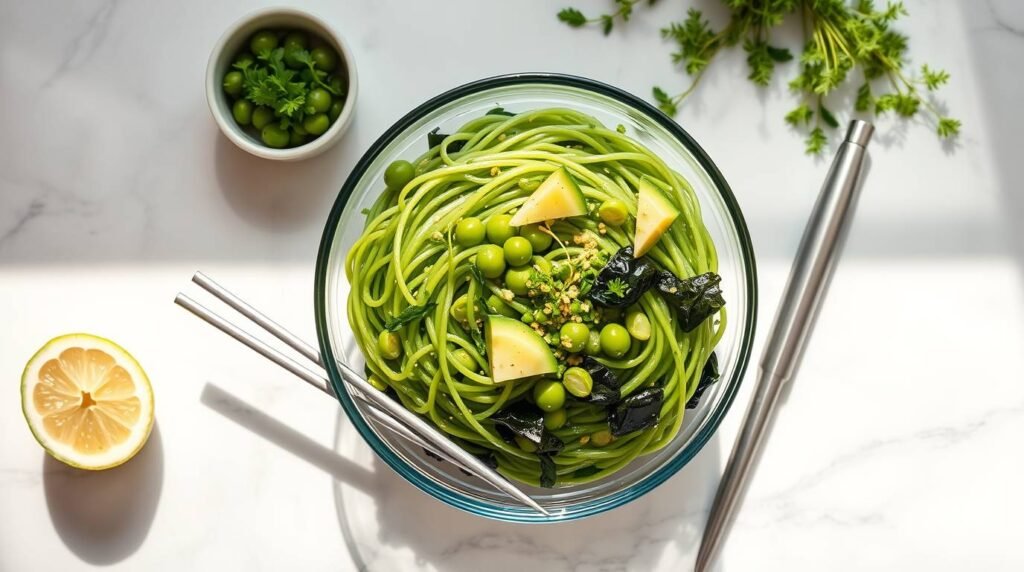

Jade Noodle Salad with Edamame and Citrus–Miso Dressing
Description
This Jade Noodle Salad combines the unique flavors of edamame, kelp noodles, and a citrus-miso dressing for a nutritious and delicious meal.
Ingredients
Instructions
-
1. Cook the Edamame
Start by cooking the edamame beans according to the package instructions, usually boiling them for a few minutes until tender. Drain and set them aside to cool.
Ensure the edamame is fully cooked but still firm to maintain its texture in the salad.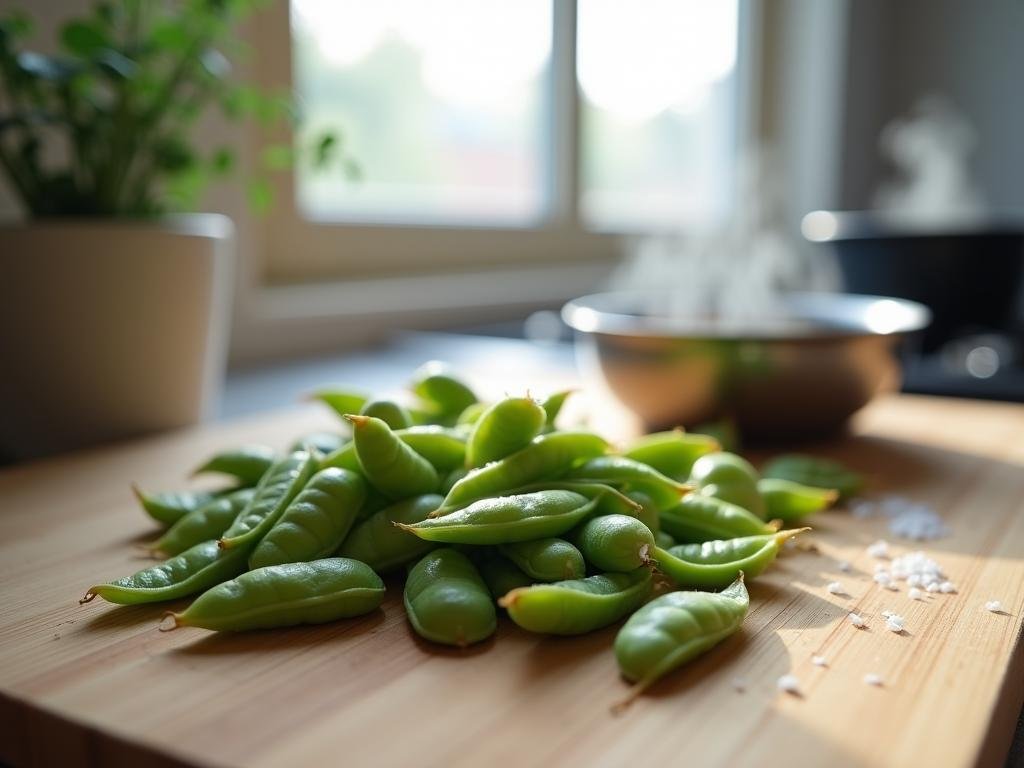
-
2. Prepare the Kelp Noodles
Rinse the kelp noodles thoroughly under cold water. If you're using soba noodles as a substitute, cook them according to the package instructions, then rinse under cold water to cool.
Rinsing the noodles helps remove excess starch and cools them down for the salad.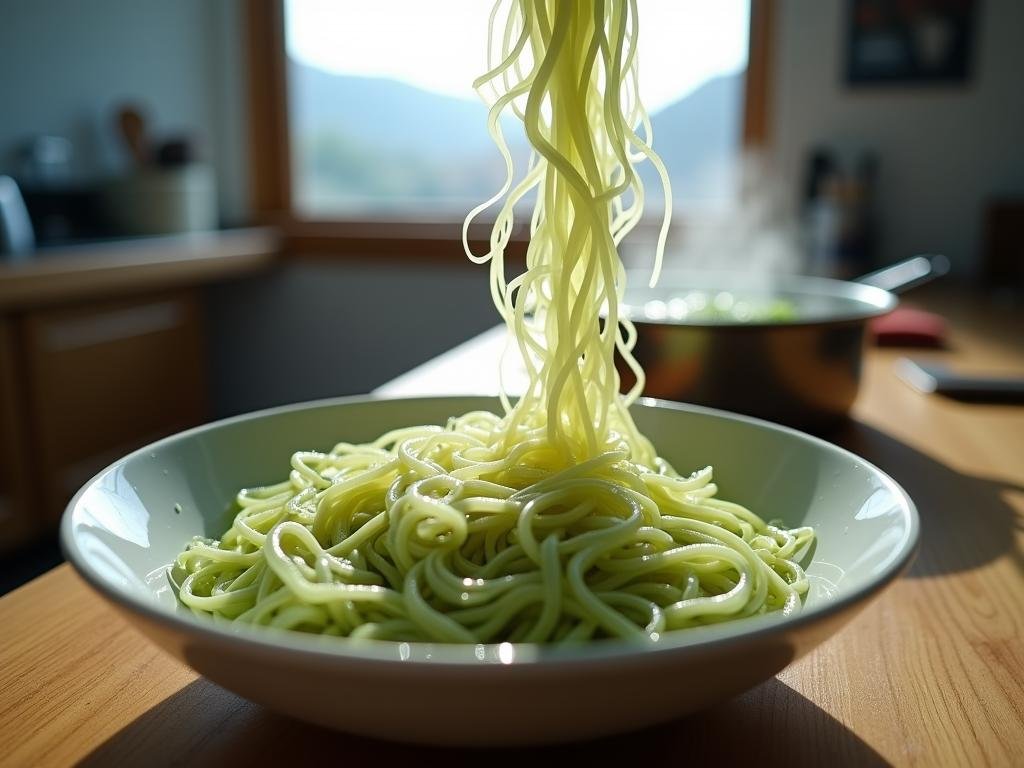
-
3. Rehydrate the Wakame
Place the dried wakame or sea lettuce in a bowl of water to rehydrate for about 5 minutes, then drain and set aside.
Ensure the wakame is fully rehydrated and tender before using.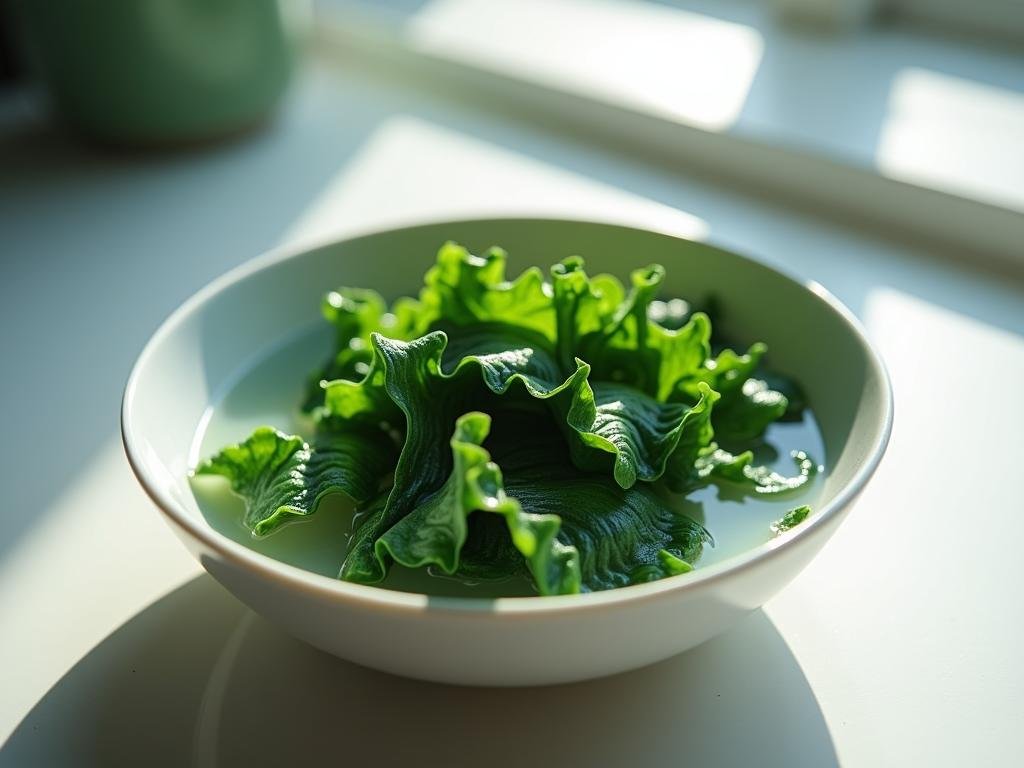
-
4. Assemble the Salad
In a large bowl, combine the cooked edamame, prepared kelp noodles, rehydrated wakame, and cubed avocado. Toss gently to mix.
Be gentle when mixing to avoid mashing the avocado.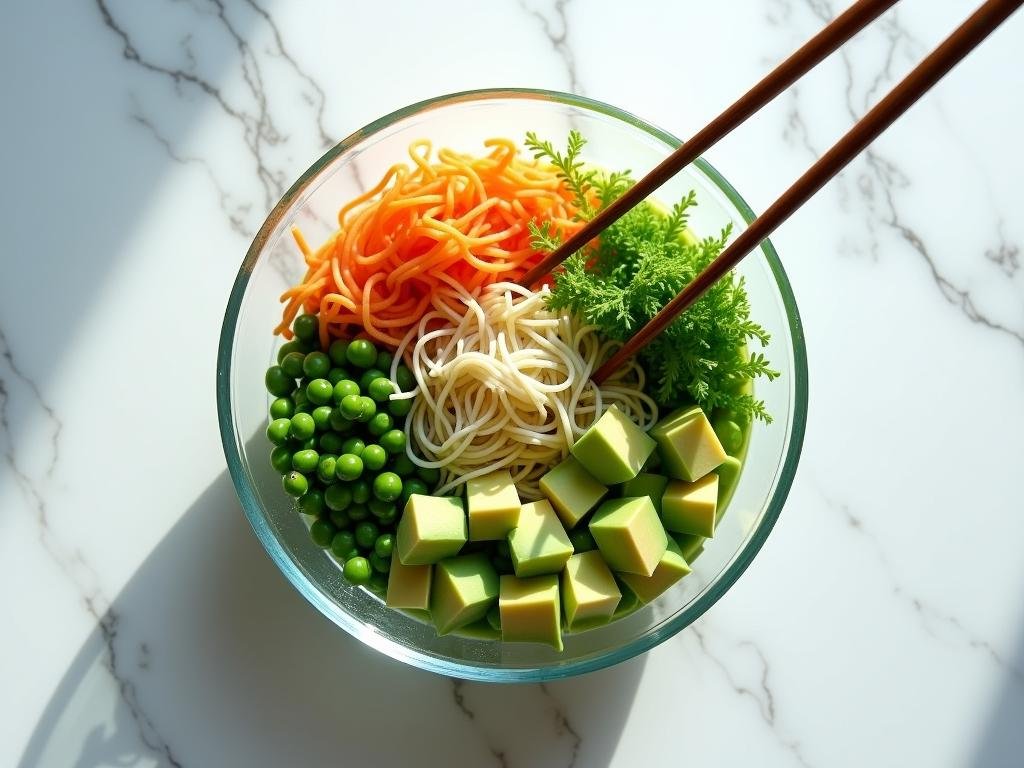
-
5. Add the Garnish
Sprinkle black sesame seeds over the salad and garnish with microgreens or chive blossoms for a fresh touch.
Garnishing adds both visual appeal and a burst of flavor.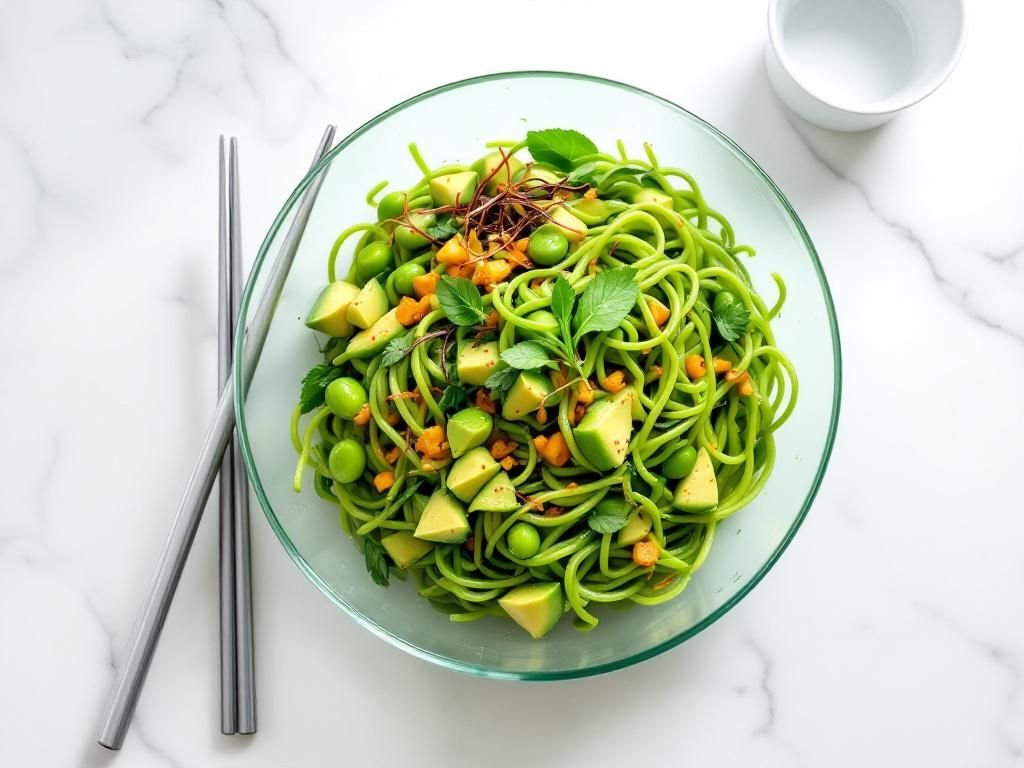
Recommended Functional Drink Pairing
-
Blue Spirulina Hydration Tonic
Concept: A refreshing, mineral-rich drink to complement the oceanic jade tones of the salad.
Function: Cellular hydration, cognitive renewal, and gentle detox support.
Flavor profile: Lightly citrusy with coconut undertones and a hint of mint.Suggested Ingredients (homemade version):
-
Coconut water (for electrolytes)
-
Lemon juice or yuzu juice
-
A pinch of blue spirulina powder
-
Fresh mint leaves
-
Optional: few drops of liquid chlorophyll for color intensity
Adaptogen Pairing: Chlorella or Lion’s Mane for neuro-support.
SEE NOTES BELLOW

-
Nutrition Facts
Serving Size 4
- Amount Per Serving
- Calories 694.6kcal
- % Daily Value *
- Total Fat 19.3g30%
- Saturated Fat 2.38g12%
- Cholesterol 136mg46%
- Sodium 1270.28mg53%
- Potassium 1358.43mg39%
- Total Carbohydrate 76.37g26%
- Dietary Fiber 10.14g41%
- Sugars 9.52g
- Protein 56.07g113%
- Vitamin A 177.66 IU
- Vitamin C 4.98 mg
- Calcium 589.04 mg
- Iron 10.21 mg
- Vitamin K 5.99 mcg
- Thiamin 0.54 mg
- Riboflavin 0.28 mg
- Niacin 5.96 mg
- Vitamin B6 0.76 mg
- Folate 62.72 mcg
- Vitamin B12 6.51 mcg
- Pantothenic Acid 1.9 mg
- Phosphorus 565.59 mg
- Magnesium 164.05 mg
- Zinc 2.84 mg
- Selenium 66.38 mcg
- Copper 0.63 mg
- Manganese 1.28 mg
* Percent Daily Values are based on a 2,000 calorie diet. Your daily value may be higher or lower depending on your calorie needs.
Note
External Product Link Recommendation
To support NEA’s voice and align with your approved adaptogen partners:
→ Anima Mundi Collagen Booster: Plant-Based Skin & Cellular Renewal Blend
(Affiliate-friendly external link; non-GMO, vegan, matches NEA’s bioenergetic focus.)
This powder can be stirred into coconut water and lemon juice to instantly create the Blue Spirulina Hydration Tonic. It adds silica, adaptogenic herbs, and a subtle floral tone — turning the drink into a “liquid light” that complements the jade salad perfectly.
For optimal flavor, ensure the edamame beans are cooked al dente and cooled before combining with the other ingredients. The kelp noodles, or an alternative like soba, should be well-rinsed to remove excess starch and cooled to maintain the salad's refreshing quality. When rehydrating the wakame or sea lettuce, do so just until tender—over-soaking can result in a soggy texture. The avocado should be added just before serving to prevent browning. Black sesame seeds not only add a delightful crunch but also a visual contrast that enhances the salad's presentation. Microgreens or chive blossoms serve as both a garnish and a subtle flavor enhancer; choose based on availability and preference.
In preparing the Citrus–Miso Dressing, aim for a harmonious balance between the citrus notes and the umami of the miso. The lime juice should be freshly squeezed for the best taste. Adjust the sweetness with maple syrup or yuzu juice as per your palate's preference. The grated ginger should be as fine as possible to integrate smoothly into the dressing, avoiding any fibrous texture. For an added touch of color, consider incorporating chlorella powder, which not only enhances the visual appeal but also adds a nutritional boost.