
Introduction
Fermentation is not preservation. It is transformation.
What begins here as beet, water, and seed is not a recipe—it is a controlled evolution of matter and memory. In this vessel, sugars dissolve into acids, pigments deepen into signals, and invisible cultures awaken to rewrite the structure of what was once inert. This is the work of time, guided but never forced.
Beet Kvass with Wild Caraway belongs to the Root & Earth frequency—a stabilizing ferment designed to anchor the system, restore internal rhythm, and reconnect the body to its most ancient intelligence. The beet carries iron-rich density and vascular clarity. The wild caraway introduces directional movement—subtle, aromatic, and precise—guiding the fermentation toward balance rather than excess.



In the Quartz System, this preparation functions as a baseline tonic: a recalibration layer. It is not meant to overwhelm the palate, but to tune it. Each sip delivers a quiet complexity—earth, acidity, faint effervescence—signaling that the transformation is complete, yet still alive.
Observe the process closely. Bubbles are not decoration—they are evidence of conversion. Color is not aesthetic—it is data. Taste is not preference—it is calibration.
You are not making a drink.
You are initiating a living system.
The Origins of Beet Kvass
Beet kvass hails from Eastern European culinary traditions, where fermentation is revered not just as a method of preservation but also as a means of enhancing flavor and nutrition. The Slavic regions, particularly Ukraine and Russia, have long enjoyed kvass as a staple drink, with various iterations made from rye, beets, or even fruit. The original beet kvass has roots that trace back centuries, often made to utilize surplus beets during the harvest season. In these cultures, food is not just sustenance; it’s a celebration of the seasons, a means of connection among family and community, and a way to honor the land. Fermentation was born out of necessity—before refrigeration, it offered a practical solution for preserving food. Yet, it evolved into an art form, with families passing down their unique recipes through generations. The vibrant color of beet kvass reflects the deep connection to the earth, and its tangy flavor is a reminder of the ancient ways of preserving food while creating something astonishingly delicious.
The Cultural Significance
Beyond its delightful taste, beet kvass carries cultural significance in many Eastern European households. It is often served as an aperitif, a digestive aid, or simply enjoyed on its own as a refreshing beverage. The act of making kvass is communal; friends and family gather to prepare the ingredients, share stories, and partake in the joys of creating something nourishing together. This beverage also has a spiritual component, as it is often believed to carry health benefits that promote well-being, vitality, and longevity. In recent years, as the global interest in gut health and fermented foods has soared, beet kvass has found its way into modern diets. It embodies the essence of traditional foodways while appealing to contemporary tastes, making it a bridge between past and present. The process of fermentation is akin to crafting a fine wine; it requires patience, attention, and a little bit of intuition.
Exploring Unique Ingredients
At the heart of beet kvass are its two standout ingredients: beets and wild caraway seeds. Beets, with their natural sweetness and vibrant color, are not just a feast for the eyes; they are packed with vitamins, minerals, and antioxidants. They have been celebrated for their health benefits, including improved digestion, enhanced liver function, and even lower blood pressure. The earthy flavor of beets is perfectly complemented by the wild caraway seeds, which add an intriguing layer of complexity. Known for their distinct, warm aroma reminiscent of anise or fennel, caraway seeds bring a touch of elegance and depth to the kvass, elevating the overall flavor profile. The fermentation process itself is a dance of flavors and textures. Utilizing natural yeasts and bacteria, the beets and caraway seeds undergo a transformation, creating a tangy, effervescent drink that is as pleasing to the palate as it is beneficial for your gut. Each batch can vary slightly, influenced by the climate, the ingredients used, and even the whims of the fermenting process, making each sip a unique experience.
The Cooking Technique
Making beet kvass is surprisingly simple but requires a bit of patience—like waiting for a good wine to mature. It begins with washing and chopping the beets, allowing their juices to mingle with the water and caraway seeds. The fermentation takes place in a cool, dark corner of your kitchen, transforming the humble ingredients into a bubbly elixir over the course of several days. The key is to taste as you go; you’ll know it’s ready when the flavors have melded into a delightful balance of sweet and sour, with just the right amount of effervescence. In a world that often moves too fast, beet kvass invites you to slow down and appreciate the process. It’s a reminder that good things take time, and that the journey of creating something nourishing can be just as rewarding as the final product. So, roll up your sleeves, embrace the art of fermentation, and discover the magic of beet kvass with wild caraway. You may find that it not only enhances your meals but also brings a touch of joy to your daily routine.
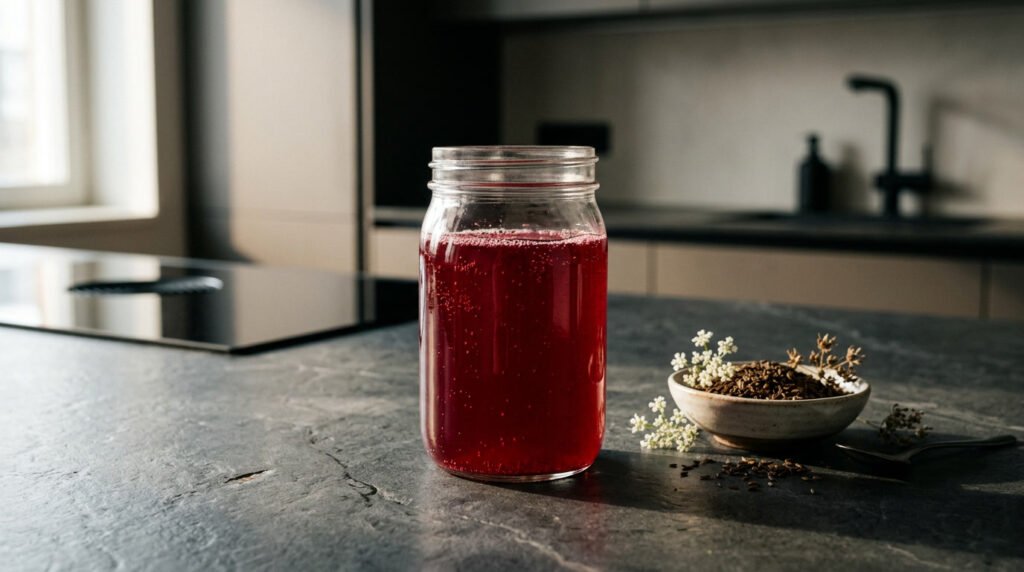

How to make Beet Kvass with Wild Caraway
Description
This naturally fermented beet kvass is not only deliciously tart but also packed with probiotics, making it a fantastic tonic for digestion and overall wellness.
Ingredients
InstructPreparing the Beetsions
-
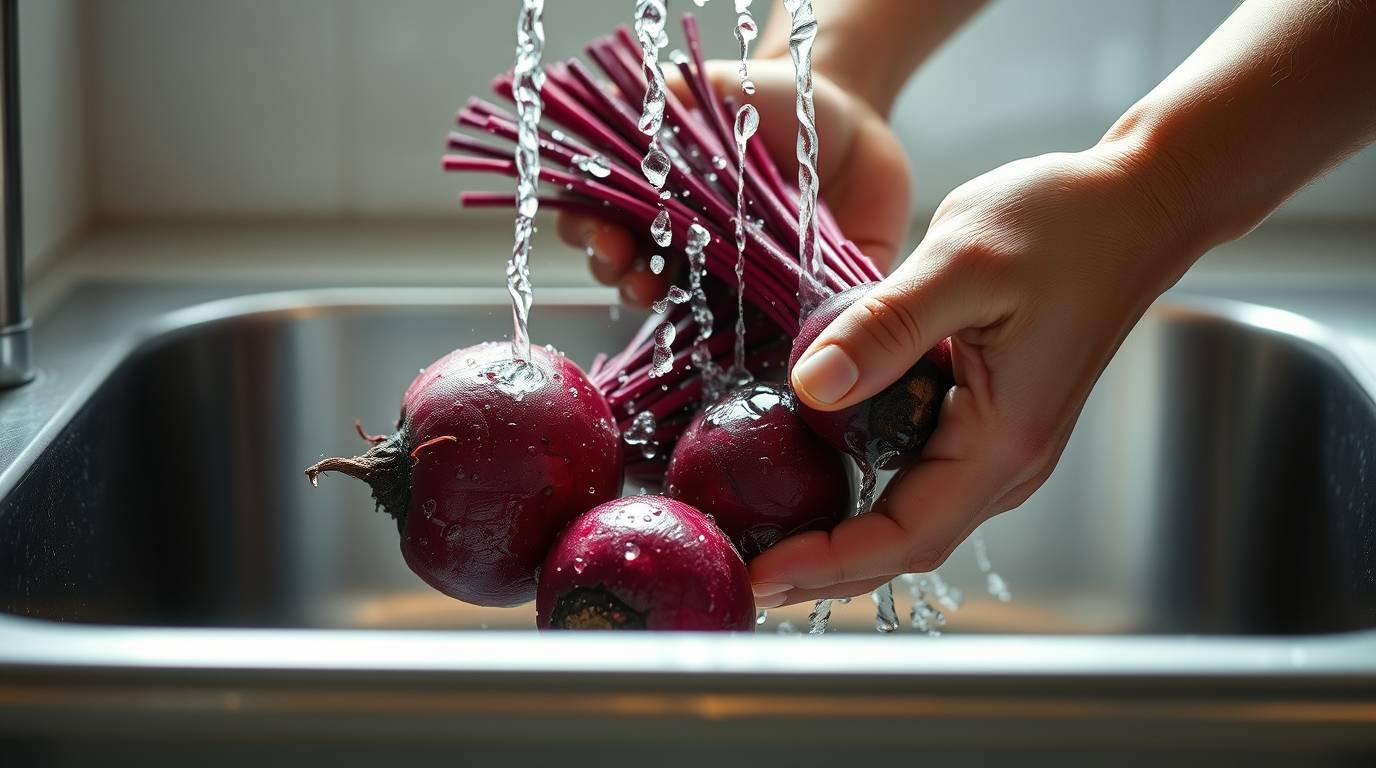
Select and Clean the Beets
Choose 3-4 medium-sized organic beets, preferably vibrant in color. Rinse them thoroughly under running water to remove any dirt or grit. Peel the beets with a vegetable peeler to achieve a cleaner taste.
-
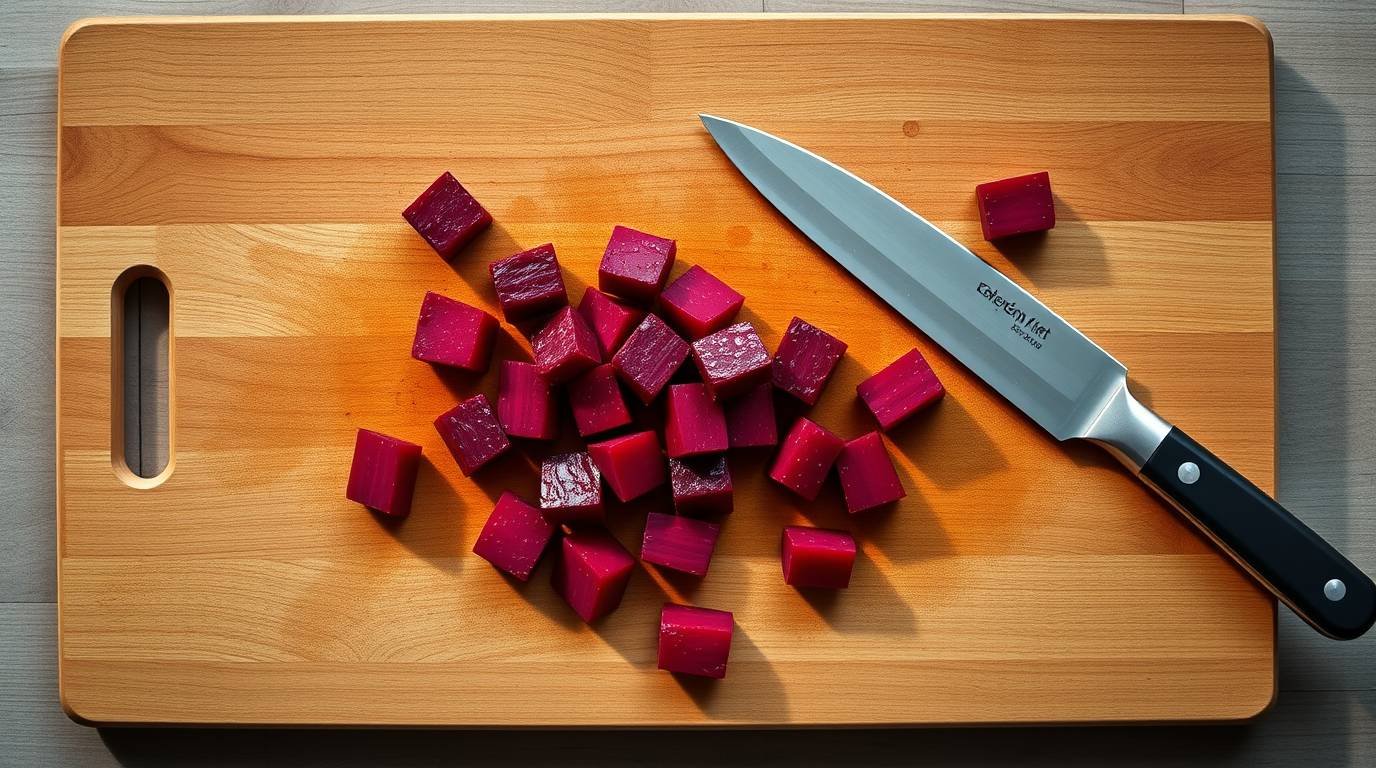
Chop the Beets
Cut the peeled beets into small cubes or slices about 1 inch thick. This increases the surface area for fermentation, allowing the flavors to develop more fully.
Creating the Kvass Mixture
-
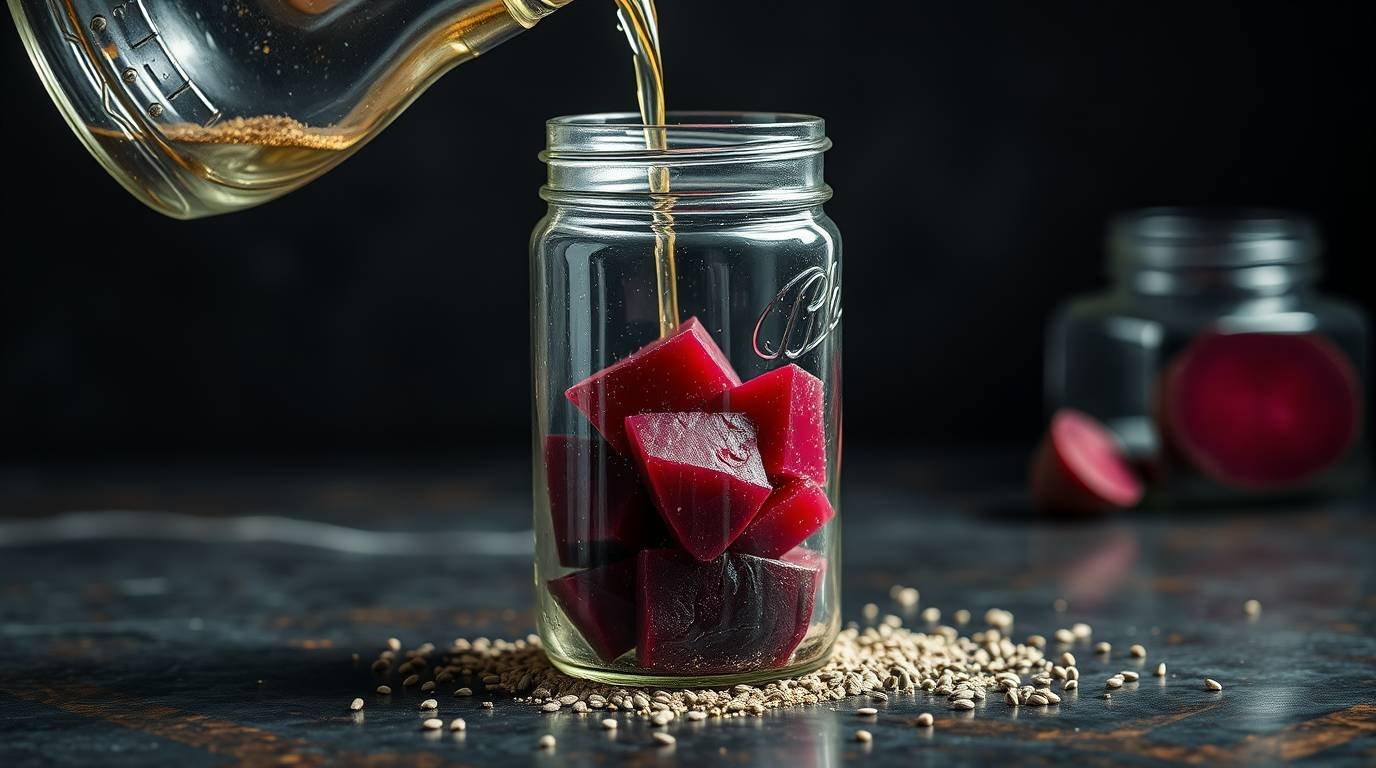
Combine Ingredients in a Jar
In a clean, large glass jar (at least 1 quart), add the chopped beets. Then, sprinkle in 1 tablespoon of wild caraway seeds for a unique flavor twist. Pour in about 4 cups of filtered water, leaving some headspace to allow bubbling during fermentation.
 You can also add a tablespoon of sea salt to enhance the fermentation process. Adjust the salt to your taste.
-
Add Starter Culture
If you have any leftover fermented-vegetable brine or a spoonful of whey, add it here. This helps kickstart the fermentation process. Stir gently to combine all the ingredients.
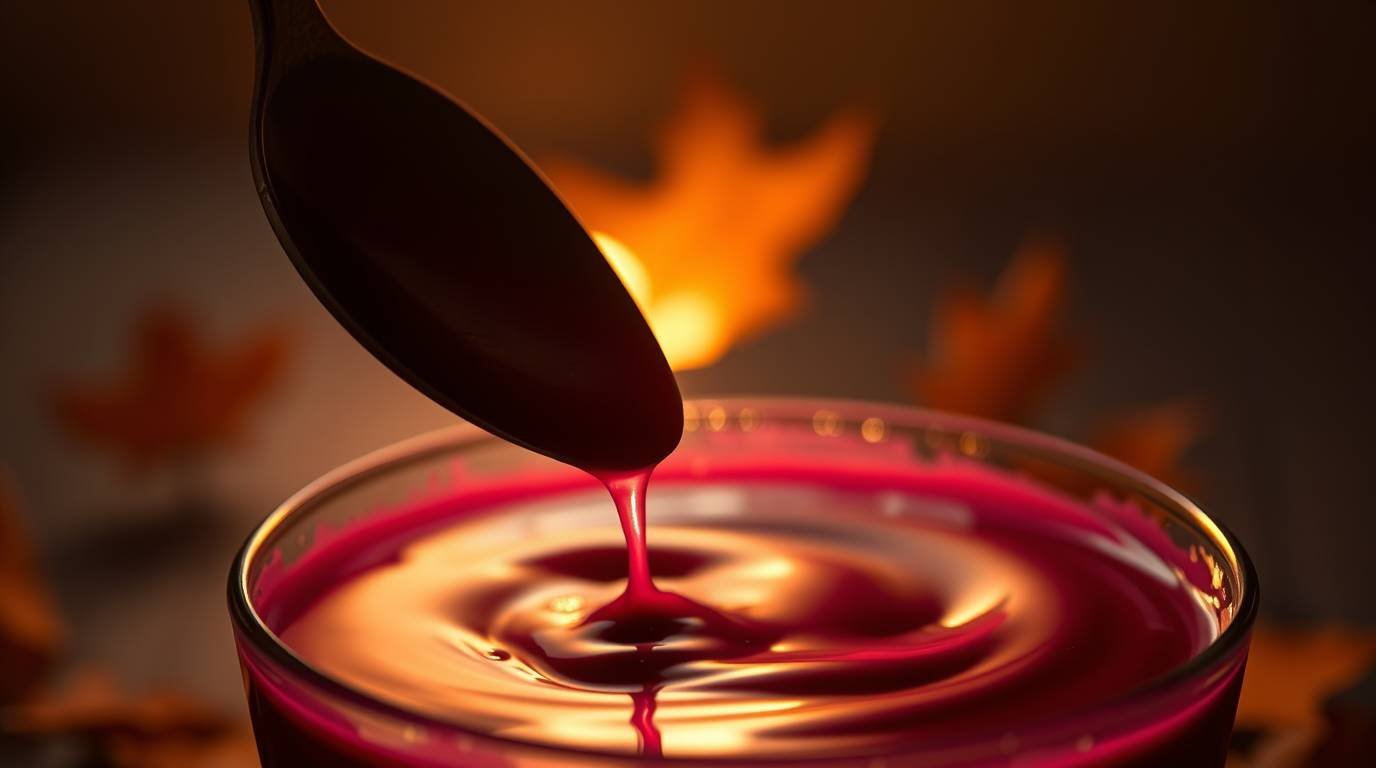 If you don’t have a starter culture, don’t worry! The wild caraway will help with fermentation on its own.
Fermenting the Kvass
-
Cover and Store
Cover the jar with a clean cloth or a loose lid to allow gases to escape while keeping dust out. Place it in a cool, dark spot, like a pantry or cupboard, for about 5-7 days.
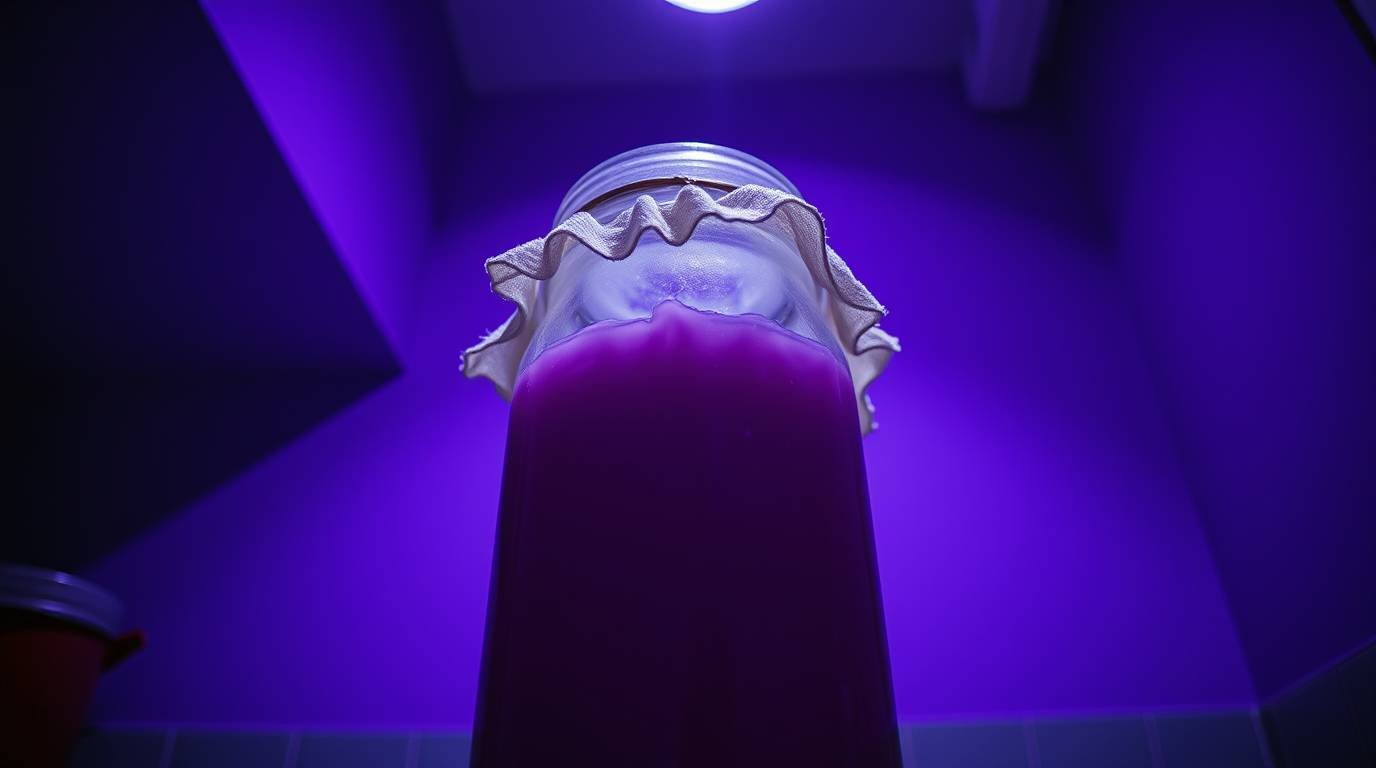 Check on your kvass daily. If you see bubbles forming, that's a good sign! Taste it after a few days to see if it has reached your desired level of fermentation.
-
Strain and Bottle
Once fermented to your liking, strain the kvass through a fine-mesh sieve or cheesecloth into another clean jar or bottle. Discard the solids. If desired, you can add more water to dilute to your taste.
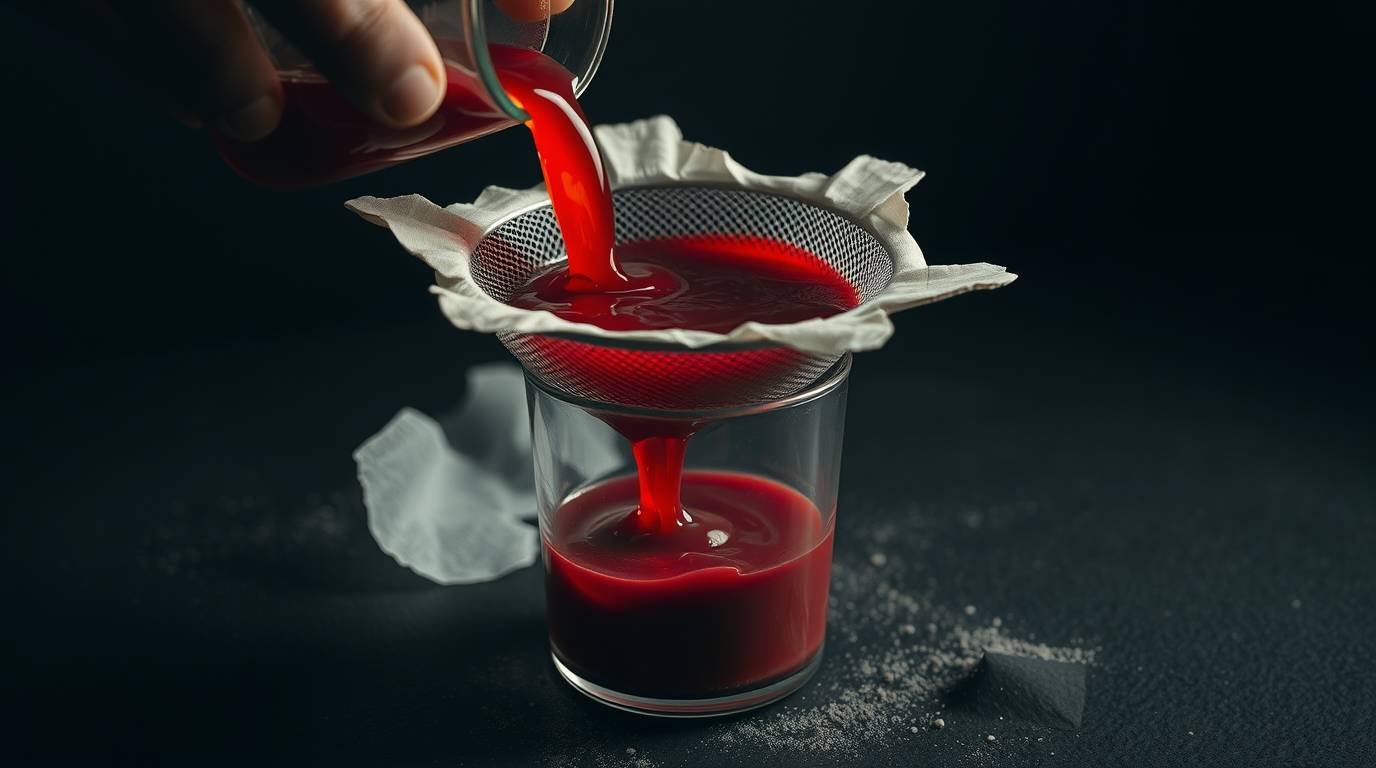 Store the bottled kvass in the refrigerator to slow down fermentation and enjoy it chilled!
Enjoying Your Beet Kvass
-
Serve and Savor
Pour your chilled beet kvass into a glass and enjoy it as a refreshing drink. It can also be used as a base for soups or salad dressings.
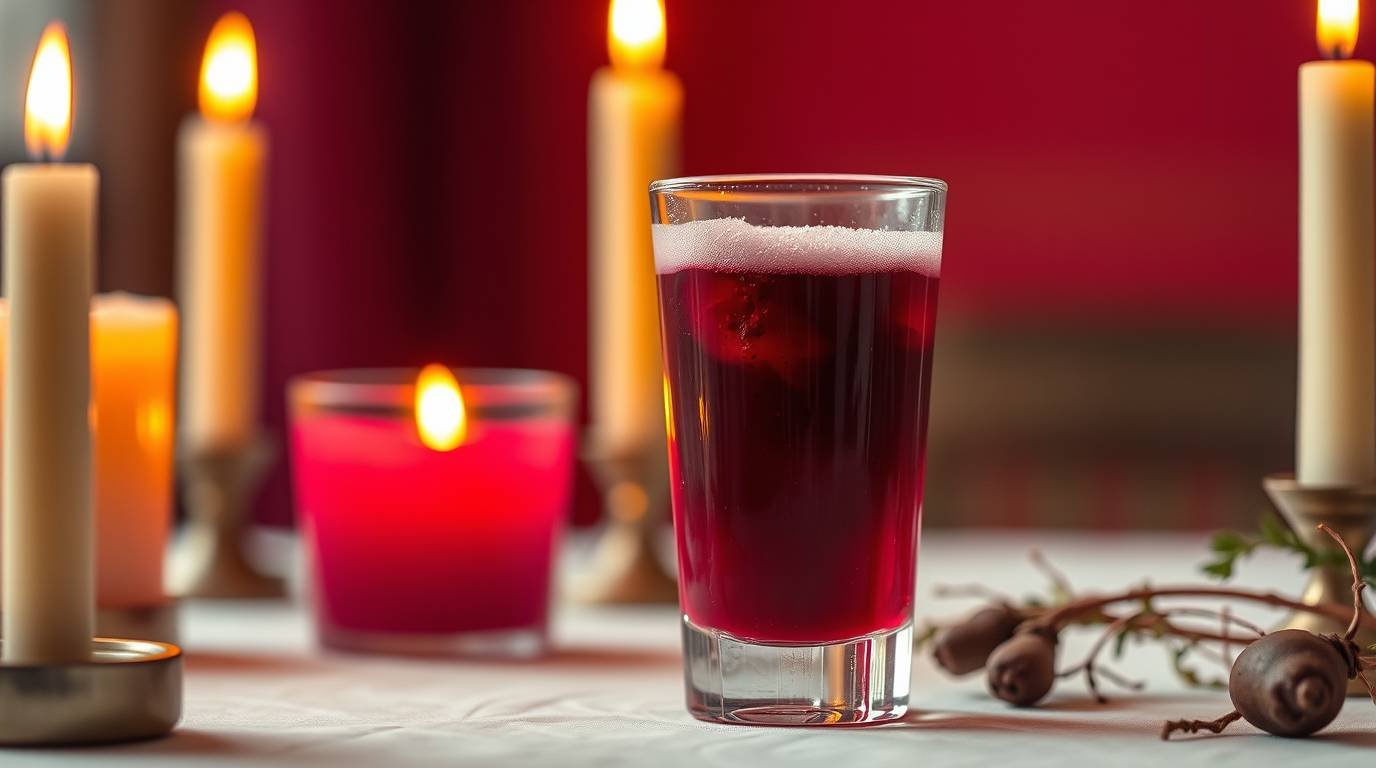 Feel free to experiment with flavors by adding herbs or spices to your kvass for a personal touch!
Nutrition Facts
- Amount Per Serving
- Calories 197.58kcal
- % Daily Value *
- Total Fat 2.31g4%
- Saturated Fat 0.34g2%
- Cholesterol 23.87mg8%
- Sodium 7313.83mg305%
- Potassium 1008.5mg29%
- Total Carbohydrate 31.27g11%
- Dietary Fiber 9.9g40%
- Sugars 19.38g
- Protein 17.41g35%
- Vitamin A 148.87 IU
- Vitamin C 14.59 mg
- Calcium 163.3 mg
- Iron 4.15 mg
- Vitamin E 0.26 mg
- Thiamin 0.11 mg
- Riboflavin 0.13 mg
- Niacin 1.12 mg
- Vitamin B6 0.2 mg
- Folate 297.08 mcg
- Pantothenic Acid 0.42 mg
- Phosphorus 183.01 mg
- Magnesium 94.68 mg
- Zinc 1.39 mg
- Selenium 2.65 mcg
- Copper 0.42 mg
- Manganese 0.99 mg
* Percent Daily Values are based on a 2,000 calorie diet. Your daily value may be higher or lower depending on your calorie needs.
Note
- Use fresh, organic beets for the best flavor and color.
- Ensure all equipment is sterilized to prevent unwanted bacteria.
- Wild caraway adds a unique flavor; feel free to substitute with regular caraway seeds if necessary.
- Allow the kvass to ferment in a cool, dark place for about 5-7 days, checking daily for bubbles and aroma.
- Taste the kvass periodically; fermentation can vary based on temperature.
- If it becomes overly sour, you can dilute it with water or blend it with fresh beet juice for balance.
- Strain the kvass through a fine mesh sieve or cheesecloth before bottling.
- Store in the refrigerator to slow fermentation and preserve flavor; consume within a month for the best quality.
- This kvass can be used as a base for salad dressings, marinades, or enjoyed as a healthy beverage.